Why Soil Testing Saves You Money Every Season
A soil test costs less than a single bag of DAP — and stops you buying fertilizer your field doesn't need.
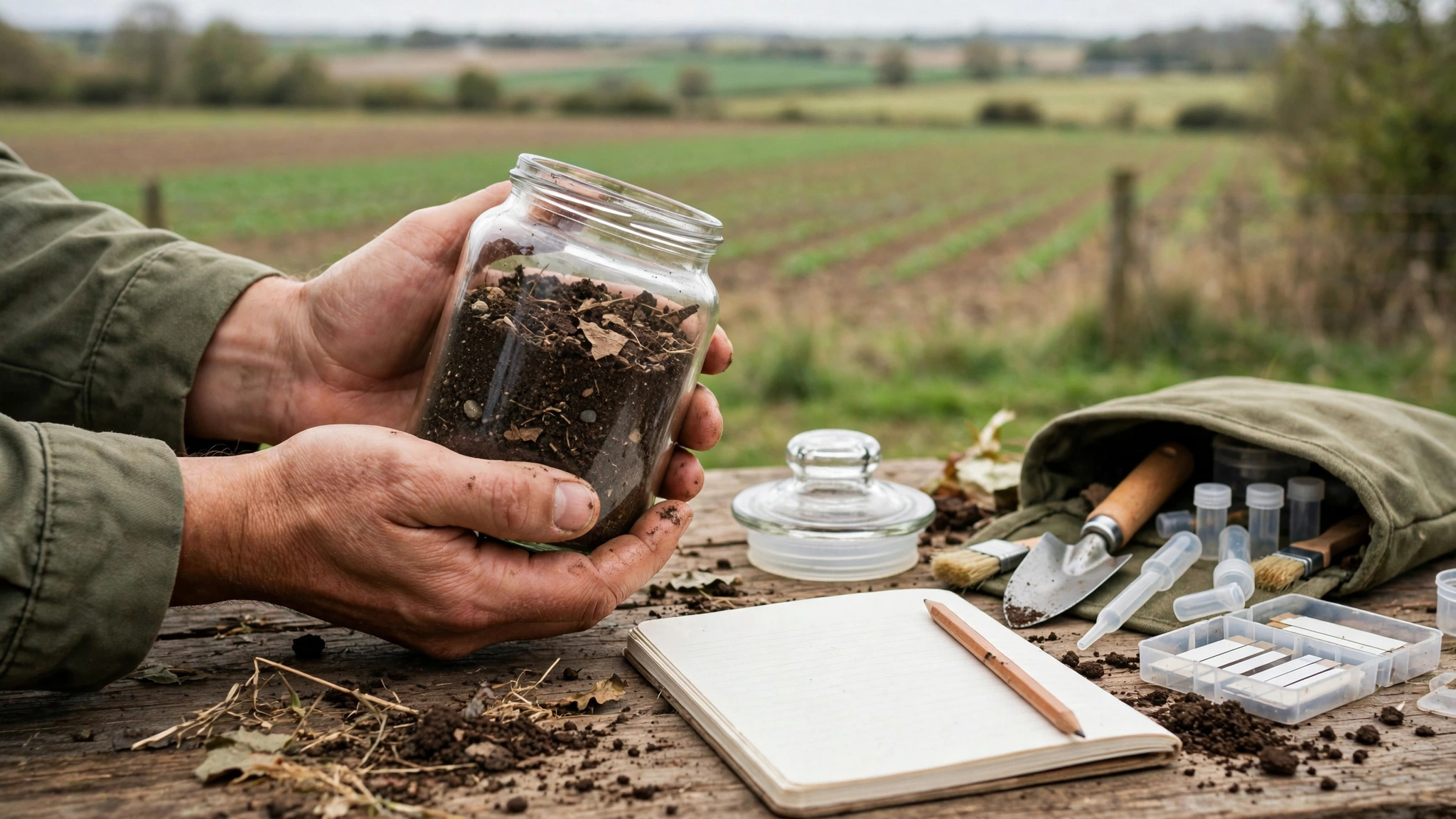
Most farmers fertilize by habit: the same bags, every season, regardless of what the soil already holds. A soil test breaks that habit with facts.
What a soil test tells you
A basic soil health test reports available nitrogen, phosphorus, potassium, pH, organic matter and often zinc. With those numbers, the standard fertilizer recommendation can be adjusted up or down — many fields test high in phosphorus after years of DAP use, meaning the DAP dose can be cut without any yield penalty.
The economics of testing
The economics are simple: one test typically costs less than a single 50 kg bag of DAP, while skipping even half a bag per acre across your holding pays for the test many times over.
How and when to sample
How often? Test once every two to three years, or whenever you take over new land. Sample from 6–8 spots per field at 0–15 cm depth, mix, and send about half a kilogram to your district soil laboratory.
Use our calculator with the adjusted nutrient figures from your soil health card, and keep the card — comparing tests over years shows whether your soil is improving or degrading.