Best Fertilizer for Onions: Verified NPK Doses and Why Late Nitrogen Hurts
Onion recommendations agree on two things: a moderate verified NPK dose — 100–115 kg N, 50–65 kg P₂O₅ and 60–75 kg K₂O per hectare in northern India — and no nitrogen after bulb formation begins. Sourced doses and the three-split schedule inside.
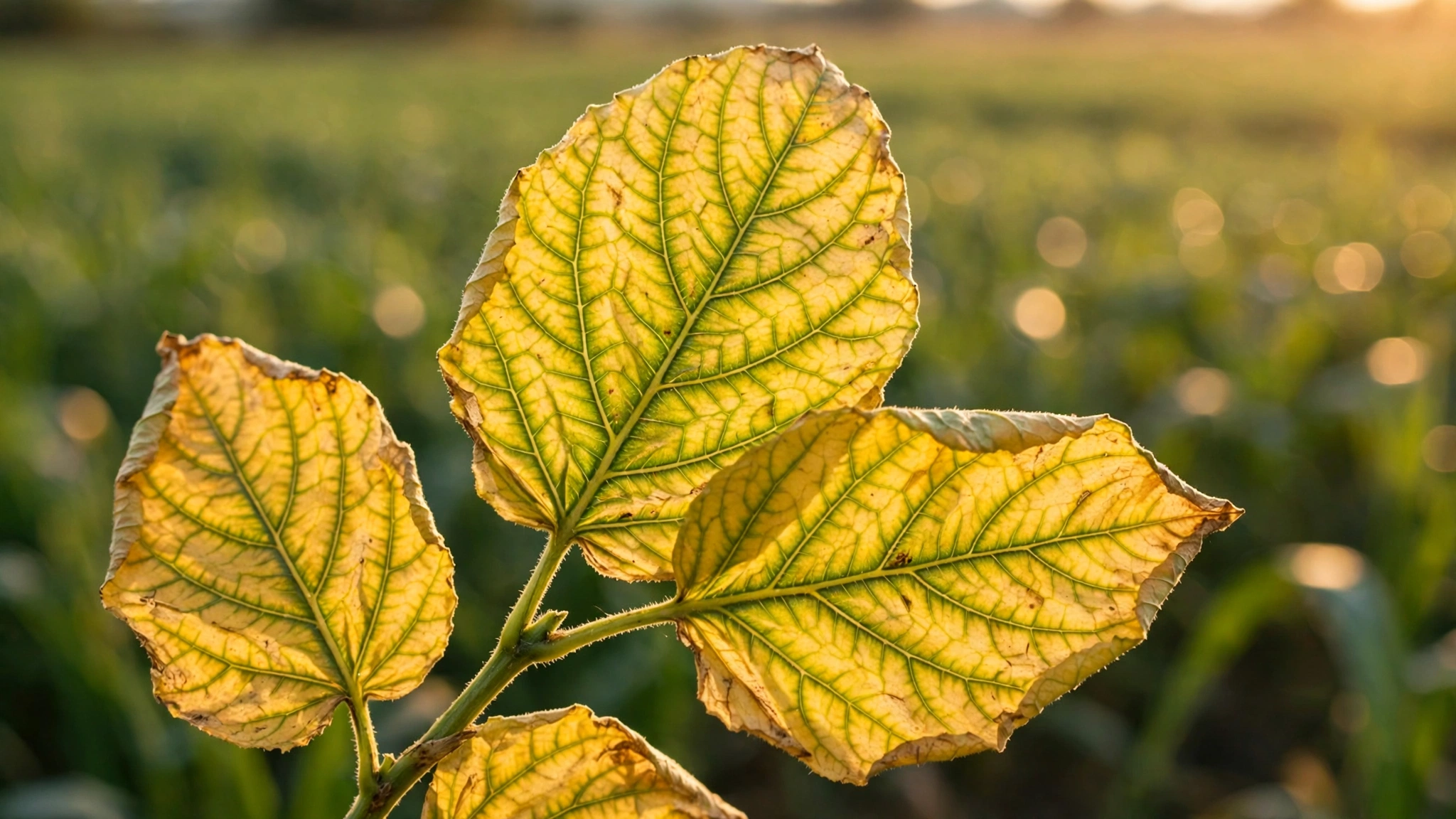
Onion is a shallow-rooted, stage-sensitive crop: it needs its nitrogen early and in splits, and it is actively harmed by nitrogen applied too late. The best fertilizer for onions is therefore a verified regional dose on a strict schedule — three nitrogen splits that finish before bulb initiation — rather than any particular bag.
The verified doses (kg N–P₂O₅–K₂O per hectare)
India (ICAR Directorate of Onion & Garlic Research, with NHRDF): 100–115 kg N, 50–65 kg P₂O₅ and 60–75 kg K₂O per hectare for the northern plains. PAU's vegetable package gives the point dose 98.8-49.4-49.4. Tamil Nadu (TNAU): 150-60-108. Bangladesh (BARI Spices Research Centre, soil-test based): 108.8 kg N, 28.5 kg P₂O₅ and 75.2 kg K₂O per hectare, with 19.6 kg sulphur and 1.3 kg boron per hectare — onion is notably sulphur-responsive, and the Bangladeshi guide says so in numbers. Japan (Hokkaido) publishes a nitrogen programme of 150 kg N/ha, and a Korean nitrogen-input study works at 240 kg N/ha — both are nitrogen-only figures in our records, so we present them as such rather than inventing their phosphorus and potash.
The schedule: three splits, then stop
The Indian recommendation applies all the phosphorus, potash, sulphur and one third of the nitrogen at final ploughing, just before transplanting. The remaining nitrogen follows in two splits: one third at 30 days after transplanting and one third at 50 days, just before bulb initiation. The same source is blunt about the deadline: no late nitrogen after bulb formation begins, because it prevents thick necks and storage rot. TNAU's drip-fertigation programme follows the same logic over a longer season and stops nitrogen entirely 15–20 days before harvest.
Products and conversion
Basal phosphorus and potash go in as DAP/SSP and MOP at land preparation; the nitrogen splits are urea (or fertigation grades under drip). Sulphur, where the guide prescribes it, is part of the basal. To turn the per-hectare nutrient dose into bags for your field, use the fertilizer calculator at /calculator — and for the dated split plan for your country, the Schedule Builder at /fertilizer-schedule. For a kitchen-garden row of onions, the per-plant dosing guide under /vegetables is the right scale.
Bottom line: feed onions their verified regional dose — about 100–115 / 50–65 / 60–75 kg per hectare in northern India, 150-60-108 under TNAU — with all phosphorus, potash and sulphur basal, nitrogen in three splits, and nothing after bulb initiation. The discipline of the schedule is worth as much as the dose.