Urea vs DAP: Which to Buy? A Farmer's Decision Guide
Stop comparing bag prices. On urea vs DAP, here is how to decide which to buy: cost per kilo of actual nutrient, and when paying DAP prices is a waste.
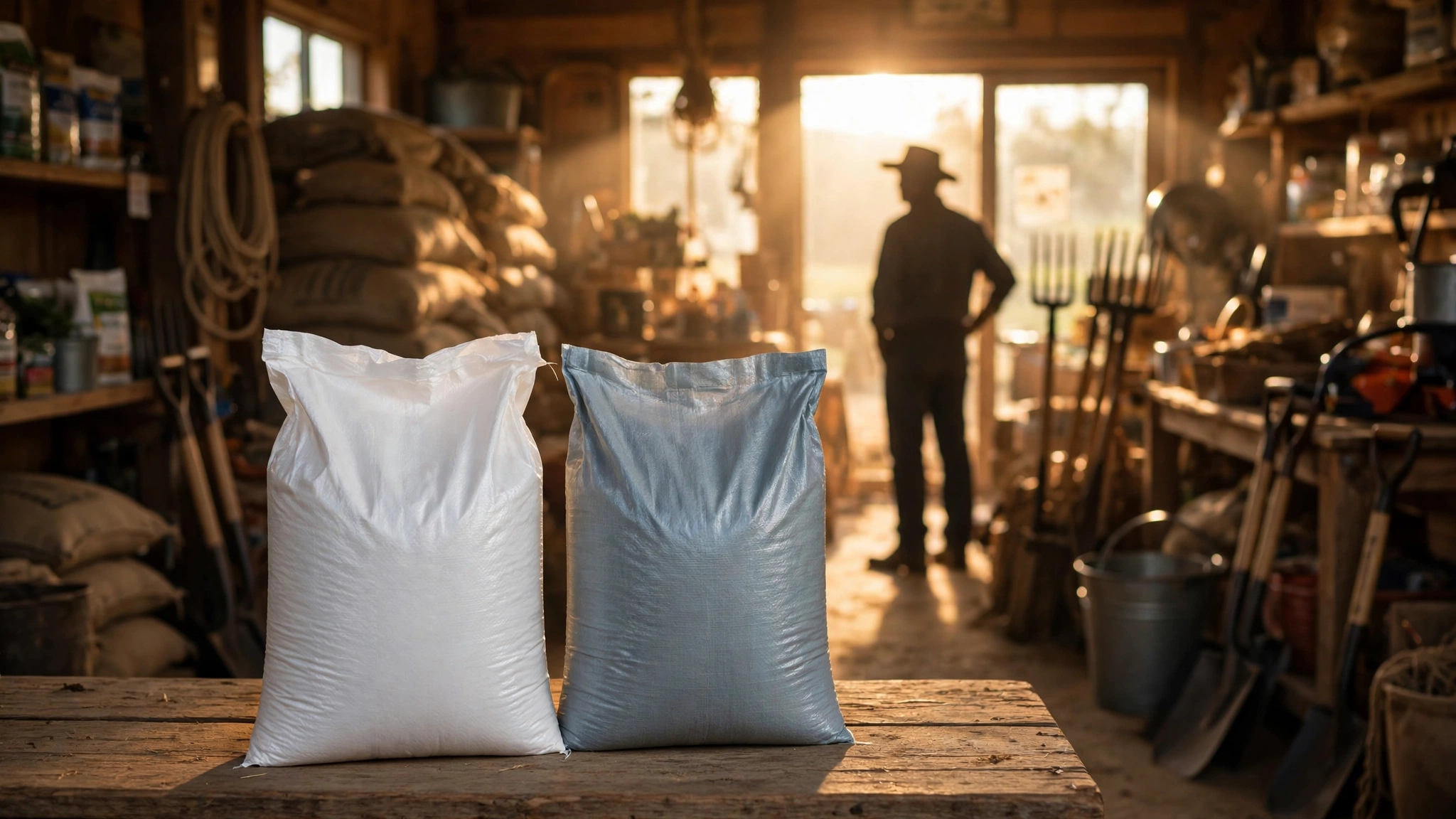
On the question of urea vs DAP — the difference between DAP and urea that confuses most buyers — which to buy comes down to one rule: buy the nutrient you need, not the cheaper bag. If you came here searching for urea vs dap fertilizer, here is the short version before the detail: need phosphorus at sowing, buy DAP. Need only nitrogen for top-dressing, buy urea, because it is the cheaper nitrogen. And never compare bag prices; compare the price per kilogram of actual nutrient. That single habit will save you money every season.
Compare nutrients, not bags
The trap almost everyone falls into is comparing the price of a urea bag with the price of a DAP bag. That comparison is meaningless, because the bags contain different nutrients in different amounts. It is like comparing the price of two sacks without checking how much grain is inside each.
Here is the method. Price per kilogram of nutrient equals the bag price divided by the kilograms of that nutrient in the bag. Urea is 46-0-0, so a fifty-kilogram bag holds twenty-three kilograms of nitrogen. DAP is 18-46-0, so a fifty-kilogram bag holds twenty-three kilograms of phosphate plus nine kilograms of nitrogen. Take your local dealer's price today, do the division, and you have the true cost of each nutrient. Fertilizer prices vary by region, season, and subsidy, so always use today's local price, but the method never changes.
When to buy each fertilizer
Now the key insight this method reveals: when you buy DAP, you are mostly paying for phosphorus. That is fine when your field needs phosphorus. But if your soil test already shows high phosphorus, buying DAP means paying phosphate prices for nitrogen you could have bought far cheaper as urea. That is the most expensive mistake in this whole decision.
DAP is the right buy when phosphorus is genuinely needed at sowing. Phosphorus barely moves in soil, so it must go down at planting time near the seed zone; a field testing low or medium in phosphorus, or a crop that needs strong early root growth, justifies the DAP bag. Remember that its nine kilograms of nitrogen per bag count toward your total nitrogen bill, so you buy less urea later.
Urea is the right buy whenever the job is nitrogen alone. Top-dressing a standing cereal, splitting nitrogen across growth stages, or feeding a crop on soil already rich in phosphorus: all of these are urea jobs. Per kilogram of nitrogen, urea is typically the cheapest option on the market, which is exactly why nitrogen specialists reach for it first.
The wasteful middle ground is buying DAP purely as a nitrogen source. Some farmers do this out of habit, paying the phosphorus premium for nitrogen they could get cheaper. Related to this is applying DAP late as a top-dressing: the nitrogen helps a little, but the phosphate sits on the surface where roots cannot reach it, so much of what you paid for is wasted.
Buy smart and avoid mistakes
Plan the season's bags with the DAP-first method. First decide the phosphate need from your soil test and convert it to DAP bags. Then subtract the nitrogen those DAP bags already supply from your total nitrogen need, and buy urea only for the remainder. This order guarantees you never buy phosphorus twice and never pay DAP prices for nitrogen.
Before you pay, check quality. Buy from licensed dealers, look for proper stitching and branding on the bag, and be cautious of prices far below the local market rate, which can signal adulteration. Keep the receipt; if a bag underperforms, you have proof of purchase. Store bags off damp floors, because urea absorbs moisture from the air, and use opened bags first.
The mistakes to avoid form a short list. Choosing by bag price instead of nutrient price. Buying DAP for its nitrogen alone. Skipping the soil test, so you never learn whether you needed phosphorus in the first place. And overbuying just in case, which ties up cash and risks the over-application problems nobody wants.
Season timing and mixed cases
One more honest note: prices, subsidies, and availability shift every season, and a deal that was smart last year may not be smart this year. Recompute the per-nutrient cost each season with fresh local prices. The arithmetic takes two minutes and the method stays the same no matter what the market does.
There is also the mixed case, which is the most common in practice: the field needs both phosphorus at sowing and nitrogen through the season. The answer is still DAP first, then urea. Buy enough DAP to cover the phosphate need, count its nitrogen, and fill the rest with urea splits. This blended strategy is exactly what experienced farmers do, and it is the cheapest way to meet both needs without paying twice.
Finally, time your purchase like you time your sowing. Buying DAP a week or two before the sowing window avoids the last-minute rush when dealers run short and transport gets chaotic. Urea, needed later for top-dressing, can be bought closer to the application date, but never so late that you are forced to buy whatever is left on the shelf. A little planning beats a panic purchase every time.
Buying smart is only half the job; applying the right dose is the other half. Run your soil-test numbers through our /calculator, which uses the DAP-first method automatically, check the exact nutrient grades of every product in the /fertilizers library, and browse the /faq page for more buying and application guidance.